
🔥 Types of Fire and How to Extinguish Them (Complete Guide for Safety)
Published by Green EHS Solutions (Date:- 18th April 2026)
Fire safety is not just about reacting to dangerous moments—it’s about understanding risks and taking the right action at the right time. Knowing the types of fire and how to extinguish them can prevent serious damage, injuries, and even loss of life.
🚨 Quick Answer: Types of Fire and Their Extinguishers
| Fire Class | Type of Fire | Best Extinguisher |
| Class A | Solid materials (wood, paper) | Water, Foam |
| Class B | Flammable liquids (petrol, oil) | Foam, Dry Powder |
| Class C | Flammable gases (LPG, CNG) | Dry Powder |
| Class D | Metals (magnesium, sodium) | Special Dry Powder |
| Electrical | Electrical equipment | CO2 |
| Class F | Cooking oils & fats | Wet Chemical |
👉 This quick guide helps you identify and act immediately during fire emergencies.
🔥 What Are the Types of Fire?
Fires are classified based on the fuel involved. Each fire behaves differently, which is why using the wrong extinguisher can make the situation worse.
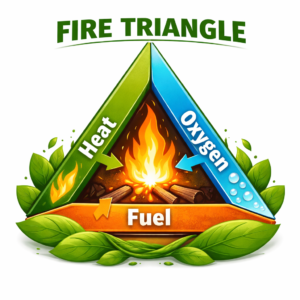
Fire requires three elements (Fire Triangle):
Removing any one of these elements can stop the fire.
🧯Class A Fire – Solid Materials🪵
Examples: Wood, paper, cloth, rubber, plastics
Common in:
- Homes
- Offices
- Schools
✅ How to Extinguish Class A Fire
- Water extinguisher
- Foam extinguisher
⚠️ Avoid using water near electrical equipment.
🧯 Class B Fire – Flammable Liquids💧
Examples: Petrol, diesel, paints, solvents
Common in:
- Kitchens
- Garages
- Industrial facilities
✅ How to Extinguish Class B Fire
- Foam extinguisher
- Dry powder extinguisher
⚠️ Never use water—it spreads the fire.
🧯 Class C Fire – Flammable Gases💨
Examples: LPG, CNG, propane
Common in:
- Gas cylinders
- Industrial plants
✅ How to Extinguish Class C Fire
- Shut off the gas supply first
- Use a dry powder extinguisher
⚠️ Do not attempt to extinguish without stopping the gas source.
🧯Class D Fire – Combustible Metals🛠️
Examples: Magnesium, sodium, aluminium powder
Common in:
- Laboratories
- Manufacturing industries
✅ How to Extinguish Class D Fire
- Special dry powder extinguisher
⚠️ Water can cause explosions in metal fires.
⚡ Electrical Fire
Examples: Wiring, appliances, switchboards
Common in:
- Homes
- Offices
- Data centers
✅ How to Extinguish Electrical Fire
- CO2 extinguisher
⚠️ Never use water—it can cause electric shock.
👉 Turn off the power supply if possible.
🧯 Class F Fire – Cooking Oils and Fats🍳
Examples: Deep frying oil, grease
Common in:
- Home kitchens
- Restaurants
✅ How to Extinguish Class F Fire
- Wet chemical extinguisher
- Fire blanket (for small fires)
⚠️ Water will spread burning oil rapidly.
❗ Why Knowing Fire Types Is Important
Using the wrong method can:
- Spread fire instantly
- Cause explosions
- Lead to electric shock
- Increase damage and injuries
Correct identification helps:
- Faster emergency response
- Reduced damage
- Improved workplace safety
📌 Common Fire Safety Mistakes to Avoid
- Throwing water on oil fires
- Using water on electrical fires
- Ignoring gas leaks before extinguishing
- Using the wrong fire extinguisher type
❓ Frequently Asked Questions (FAQs)
What are the 6 types of fire?
Class A, B, C, D, Electrical, and Class F fires.
Which extinguisher is best for electrical fires?
CO2 extinguisher.
Can water be used for all fires?
No, water should not be used for oil, electrical, or metal fires.
Which type of fire is most common?
Class A fires involve solid materials like wood and paper.
🏁 Conclusion
Understanding the types of fire and how to extinguish them is essential for preventing disasters. Whether at home or in the workplace, quick and correct action can save lives and property.
🏢 Fire Safety Services by Green EHS Solutions
We help businesses stay compliant and safe with:
👉 Ensure your workplace is fully protected with expert guidance.